
Understanding the psychological triggers behind gambling behavior
The Role of Risk and Reward
One of the primary psychological triggers behind gambling behavior is the allure of risk and reward. The potential to win big can create a compelling desire that overrides rational decision-making. This phenomenon, often referred to as “risk-taking behavior,” can lead individuals to engage in gambling despite knowing the odds are against them. The brain’s reward system is heavily involved in this process, releasing dopamine, which reinforces the enjoyment associated with the activity. The Pin Up APK allows players to experience this thrill at their convenience.
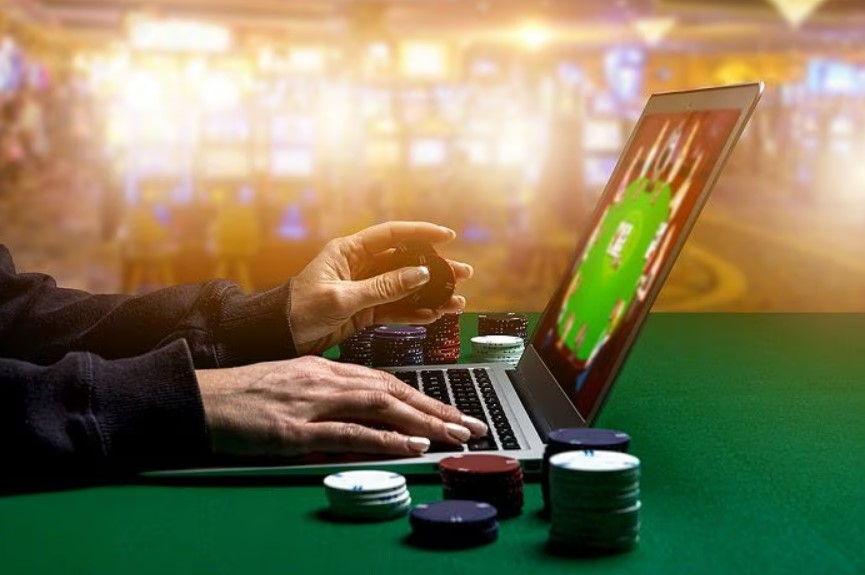
The anticipation of a win can also amplify the excitement of the gamble. This excitement can create a cycle where individuals continue to play, driven by the hope of recapturing the thrill of past wins. As a result, the psychological connection between risk and reward becomes a significant factor in reinforcing gambling habits.
The Impact of Emotions
Emotions play a crucial role in gambling behavior, influencing both the decision to gamble and how much a person wagers. Many gamblers experience heightened emotional states, whether it be euphoria from a win or despair from a loss. These emotional fluctuations can lead to impulsive gambling decisions, as individuals might seek to escape negative feelings or chase the high of a win. The availability of the Pin Up Casino App can exacerbate these emotions, creating a space for increased wagering.
Additionally, gambling can serve as a coping mechanism for stress or emotional pain. This reliance on gambling to regulate emotions can develop into problematic behavior, making it difficult for individuals to break free from the cycle of gambling, especially in times of personal crisis or stress.
The Influence of Social Factors
Social factors significantly contribute to gambling behavior. Peer pressure and the social environment can normalize gambling, making it seem like a commonplace activity. When individuals observe friends or family members winning or enjoying gambling, they may feel compelled to join in, believing they too can achieve similar success. The Pin Up Casino App helps facilitate these social dynamics by offering multiplayer options and community features.
Moreover, social networks can create a sense of community around gambling, further embedding the behavior into an individual’s lifestyle. This social aspect can perpetuate gambling habits, as people may feel a need to conform to group dynamics and expectations surrounding gaming activities.
The Role of Marketing and Advertising
Marketing and advertising strategies have a profound impact on gambling behavior, often glamorizing the activity and emphasizing the excitement associated with it. Advertisements typically highlight big wins and lavish lifestyles, creating unrealistic expectations for potential gamblers. This portrayal can entice individuals to engage in gambling with the belief that they too can achieve similar success.
Furthermore, the use of promotions, bonuses, and loyalty programs can create an illusion of value, encouraging people to gamble more. These marketing tactics can exploit psychological triggers by appealing to a person’s desire for rewards and reinforcing gambling behaviors through the promise of additional perks, especially when using the Pin Up Casino App.

Exploring Mobile Gambling with the Pin Up Casino App
The rise of mobile gambling has opened new avenues for exploring psychological triggers. Applications like the Pin Up Casino App offer seamless access to a variety of games, making gambling more accessible than ever. With user-friendly interfaces and enticing promotions, such apps cater to the psychological aspects of convenience and reward, drawing players into a cycle of continued engagement.
This shift toward mobile gaming may further reinforce existing gambling behaviors, as players can access their favorite games anytime and anywhere. As technology continues to evolve, understanding these psychological triggers will be crucial for both players and operators in fostering healthier gambling practices.